
- TOP
- KIMOTO Film Products
- Sandblasting
- The Progress of KIMOTO Technology Sandblasting vol.2
The Progress of KIMOTO Technology Sandblasting vol.2
By applying some kind of processing to the surface of the film, it can be given various functions.
KIMOTO has developed various surface processing technologies to meet the needs of customers.
In this column, we will introduce one of the technologies that KIMOTO has cultivated, 'sandblasting'.
Why make it matte?
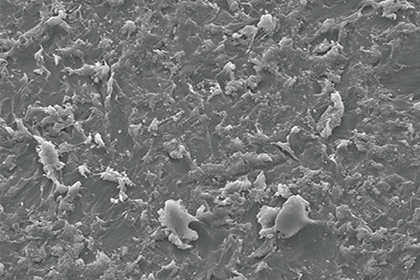
The primary purpose of matte processing is to give the film surface a "matte finish." In addition, by creating irregularities on the surface, it enhances adhesion to the substrate and, by allowing the raised areas to make point contact, helps prevent materials from sticking to each other.
The main feature of sandblasting is that the base material itself forms irregularities due to the impact of the sand, resulting in a gouged concave surface shape. It utilizes these irregularities to impart design (shape transfer) to the subject while maintaining the original performance of the base material.
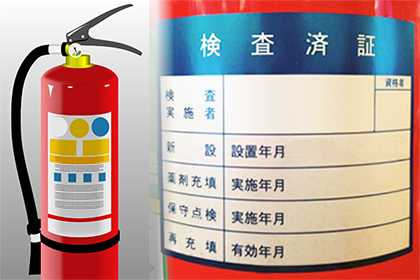
Sandblasting has a variety of applications, but it is commonly used for labels in everyday products. In addition to providing a distinctive "matte finish," the textured surface increases the surface area, making it easier to print or write on. For example, it is used for inspection certification labels affixed to fire extinguishers.
Furthermore, it is also used in the manufacturing process of electronic components, matte processing of resin molded products, green sheets, building materials, and separators.
Sandblasting is making a big impact in unseen places.